
Rhododendron atlanticum
Billeder af Rhododendron atlanticum
Beskrivelse
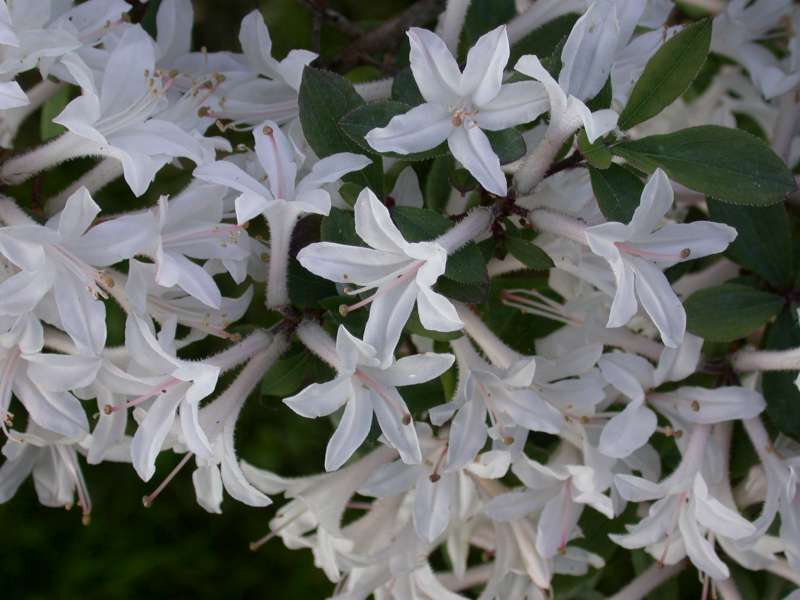
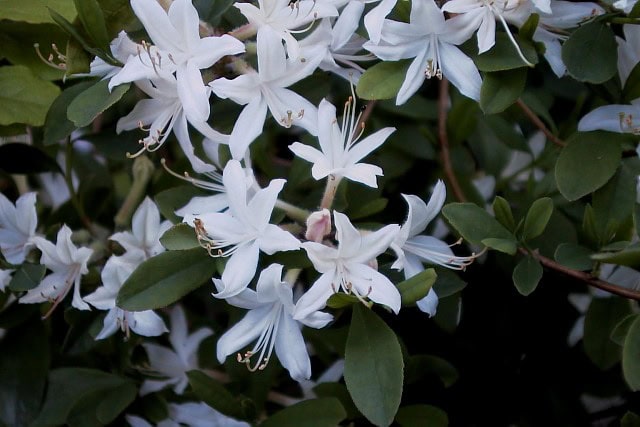
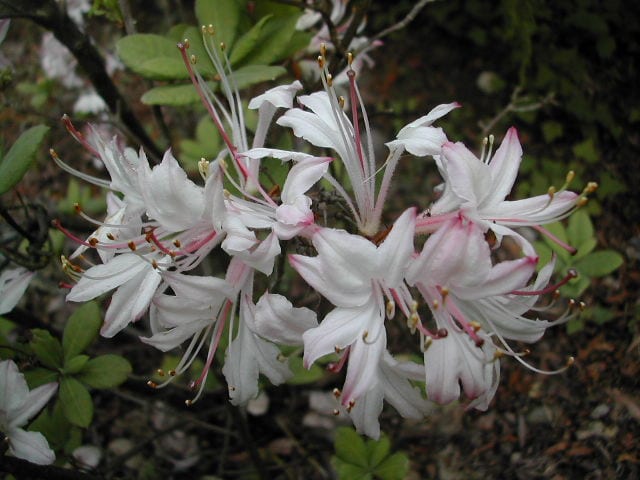
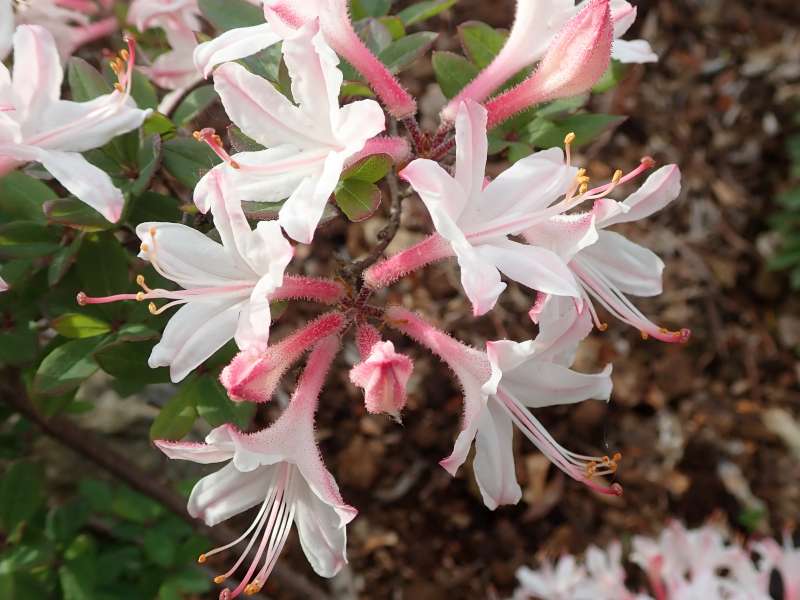
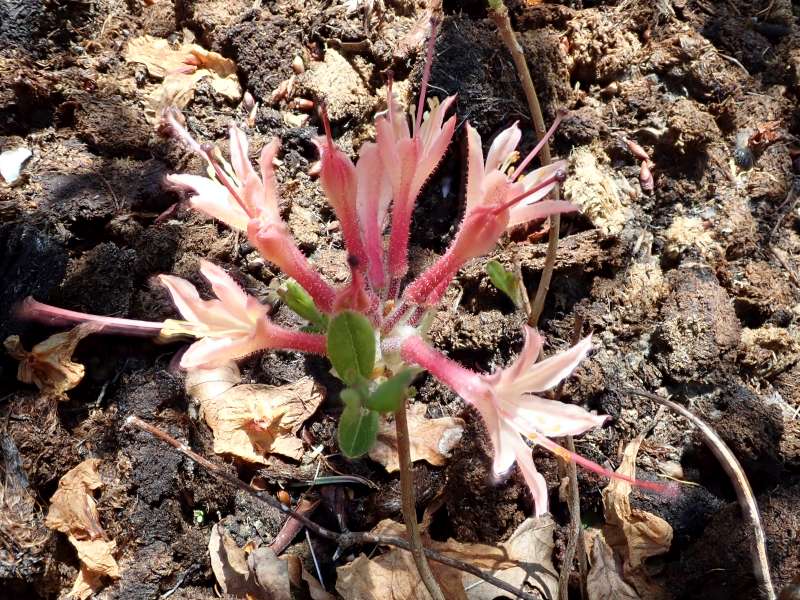
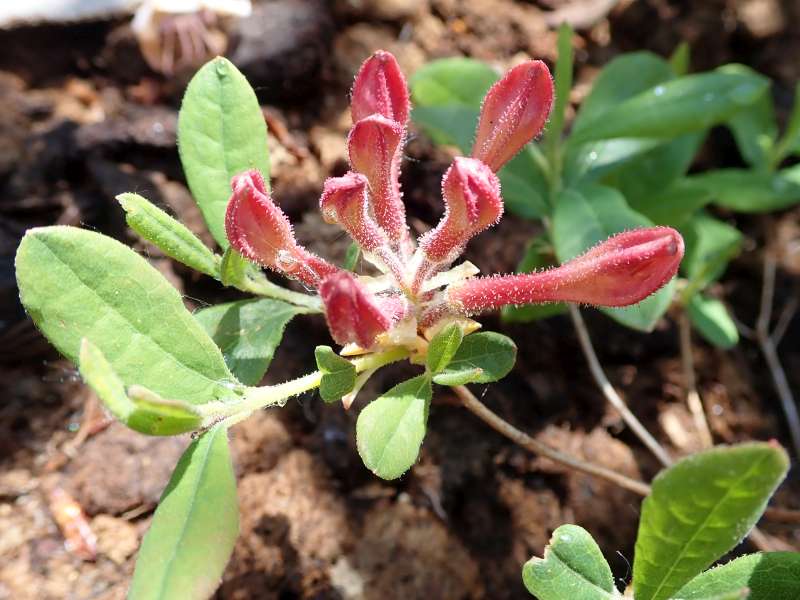
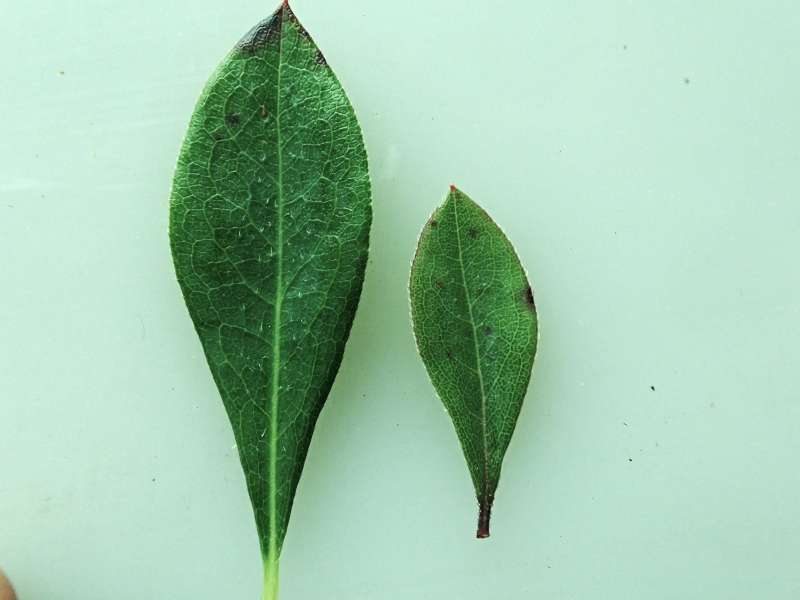
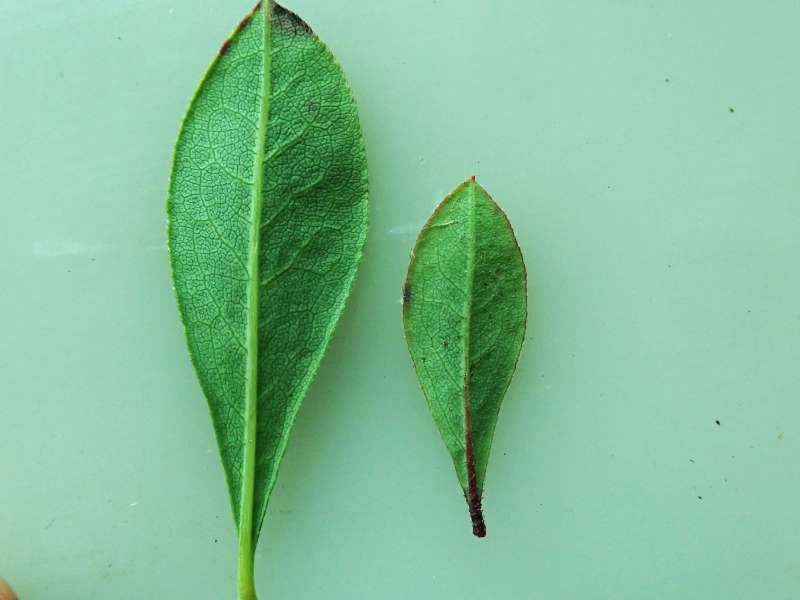
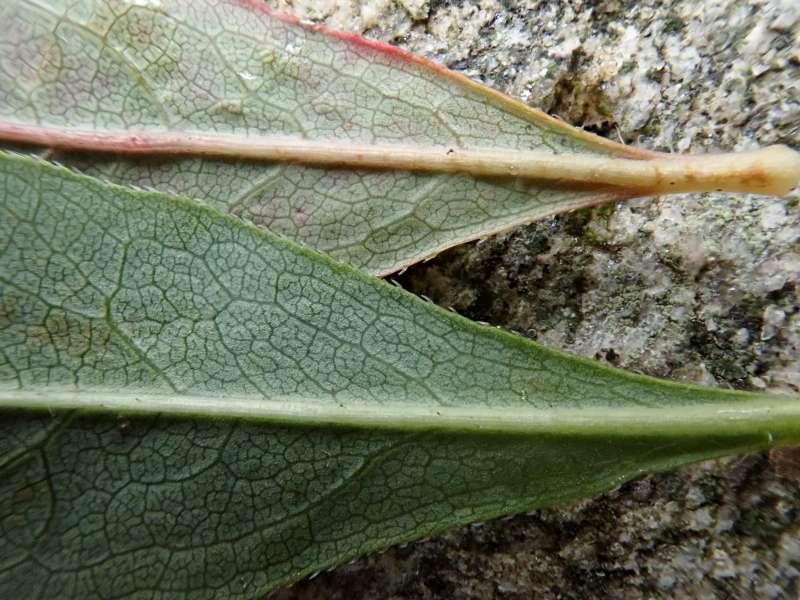
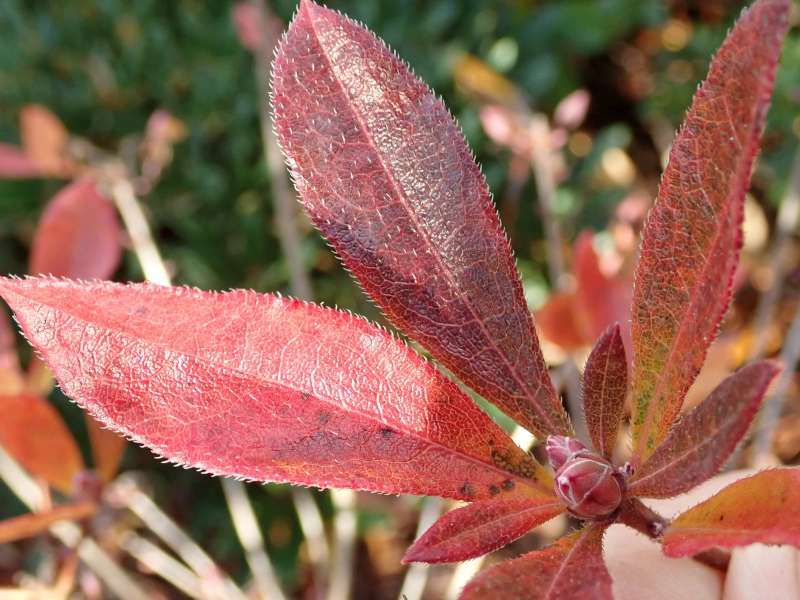
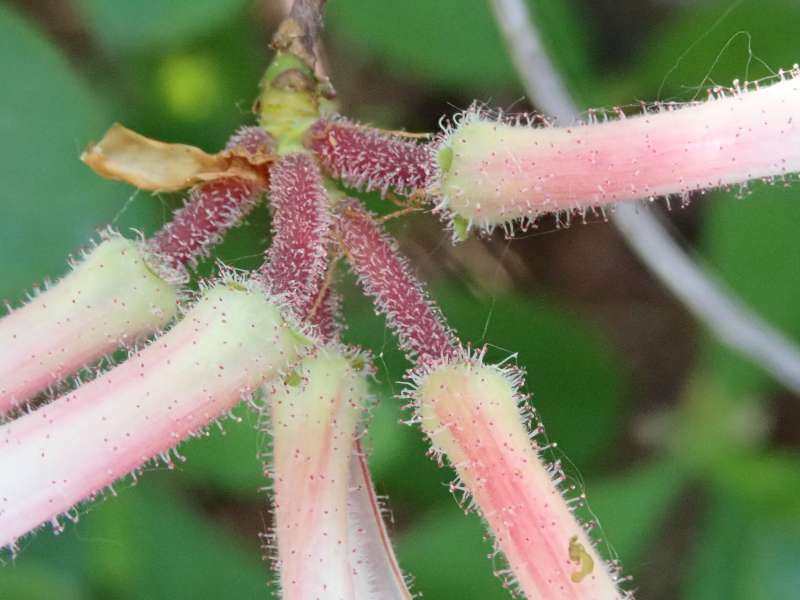
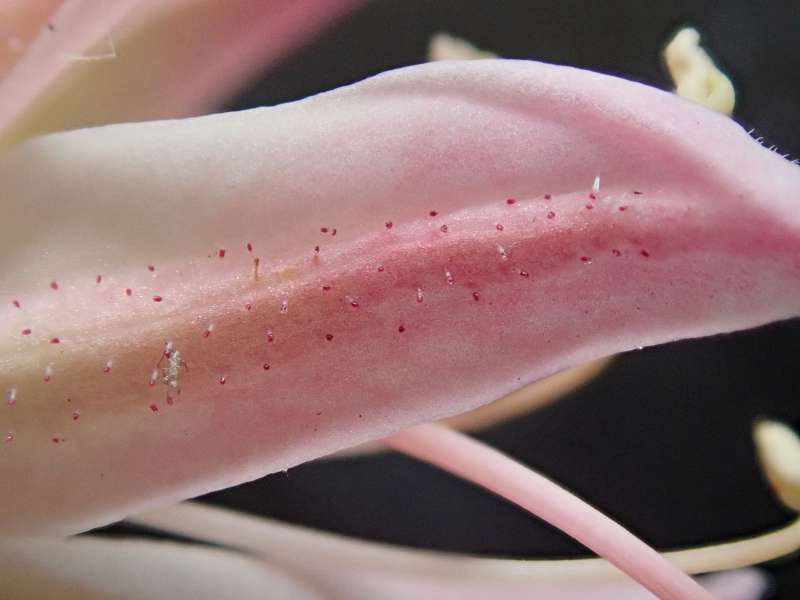
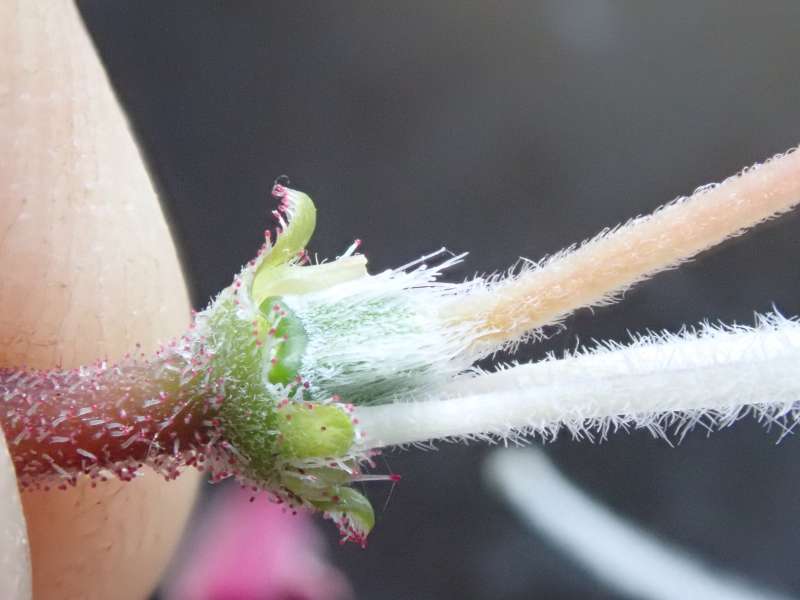
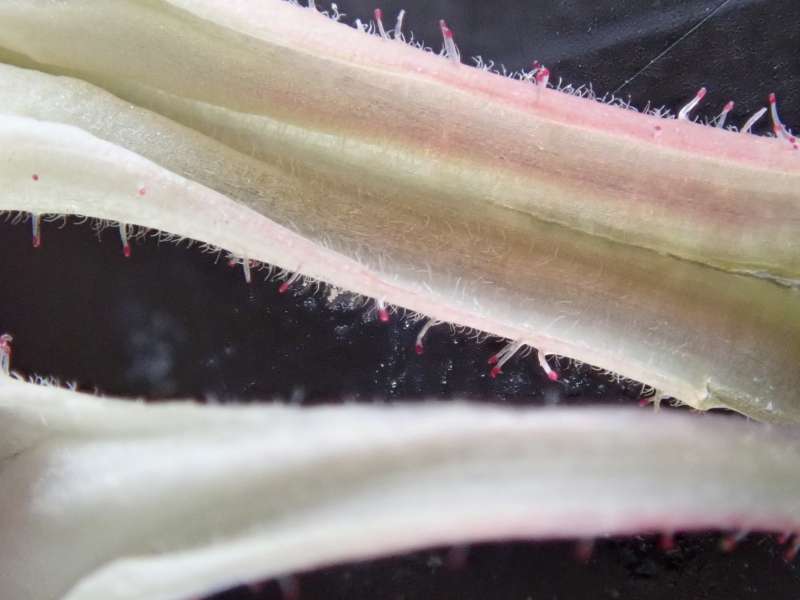
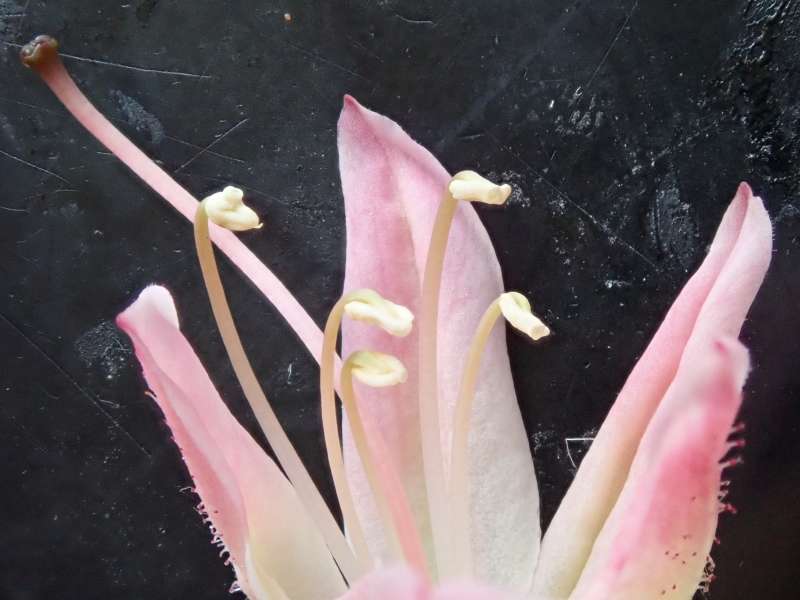
R. atlanticum (Pentanthera) (-25 °C). En langsomtvoksende, løvfældende Nordamerikansk azalea, med en let og luftig grenbygning. Planten er ret småbladet, har blågrønt løv, breder sig ved rodudløbere, og danner i sit hjemland et knæhøjt tæt krat, hvor den enkelte plante kan opnå at dække et formidabelt areal. Blomstrer i maj-juni med 4-10 blomster i klasen, samtidig med løvspring. Den enkelte blomst er hvid eller hvid med rosa strejf, oftest med dybere rosa farve i det lange kronrør og har en kraftig, temmelig tung duft. Denne art holder af en solåben vokseplads, og tåler meget vådt vækstmedium. Kommer fra den Nordamerikanske atlanterhavskyst fra Pennsylvania til South Carolina.
Tue Jørgensen
● R. atlanticum TS frø. Foto: Hans Eiberg
● R. atlanticum Cottingham. Foto: Mike Creel
R. atlanticum. Samlemappen: login
ARS
Flora of North America
Flora of North America
Kew’s Herbarium
RBGE herbarium
Don. Hyatt homepage
ASA
Cuttingham’s form of atlanticum was selected and grown for many years by a lady – Mrs. Rosa Cottingham (husband Charles, a finished cabinetmaker) of Effingham, South Carolina – well-known for the many native plants she cultivated in her large rural yard. She found this fragrant, large-flowered split-petaled form of coast azalea on the banks of the Lynches River near her home. I have the exact location written down in one of my notebooks. She shared this and other unique plants with me, including three large layered Stewartia malacodendron which now thrive in a dry ditch in the middle of my 7 acre woodlot.
Cottingham routinely crosses with a nearby R. calendulaceum named Gamecock, selected by Clarence Towe, author of American Azaleas. For years I have given away layers and rooted cuttings of Cottingham and distributed seeds from it. The hybrids with Gamecock are usually tri-colored, low-growing and large flowered. Once a runner of Cottingham produced a truss of normal flowers, not split-petaled, which were about twice as large as a normal R. atlanticum. I was too quick in removing the runner, so it died. It is a drought-hardy, low plant, less than 3 feet tall at the tallest, sometimes blooming near the ground.
Mike Creel