Rhododendron x bakeri
Billeder af Rhododendron x bakeri
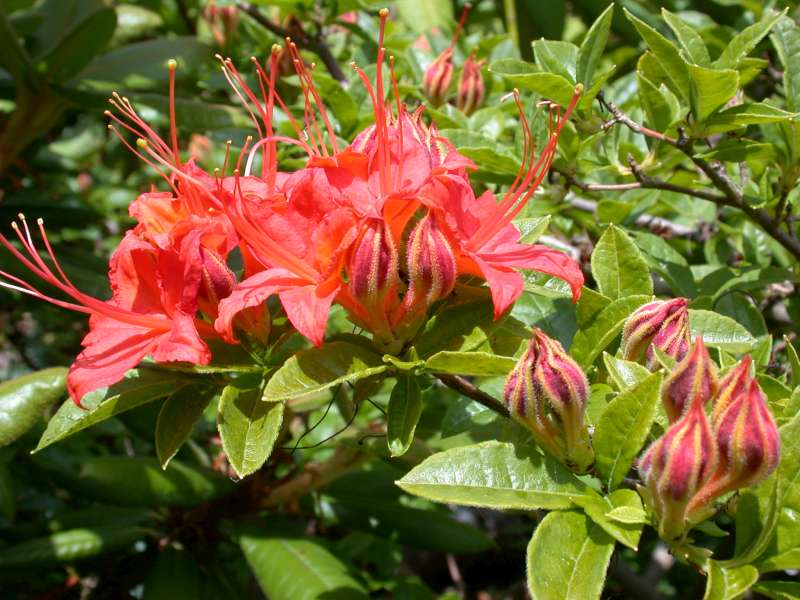
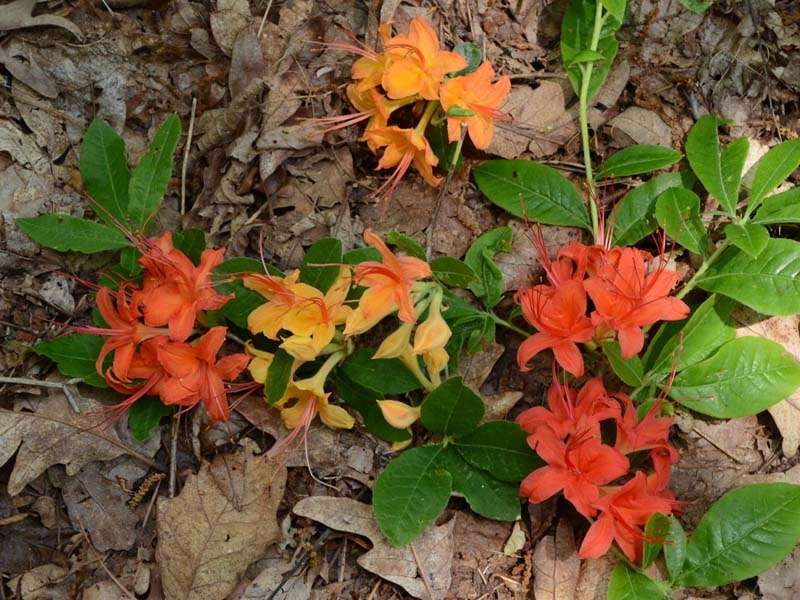
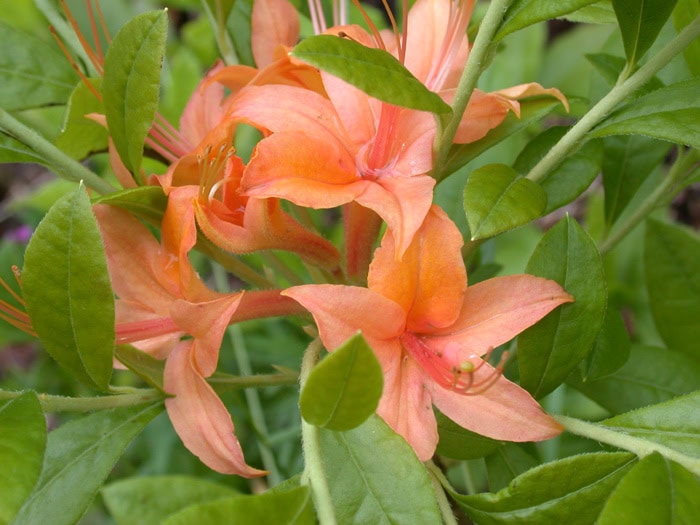
Beskrivelse
R. bakeri is allied to R. calendulaceum, but flowering about three weeks later and generally of dwarfer, more compact habit, rarely up to 9 ft high; said to be superior as an ornamental. Native mainly of the Cumberland plateau. See further in R.C.Y.B. 1957, pp. 20–1, 23. Beans-Trees and shrubs online
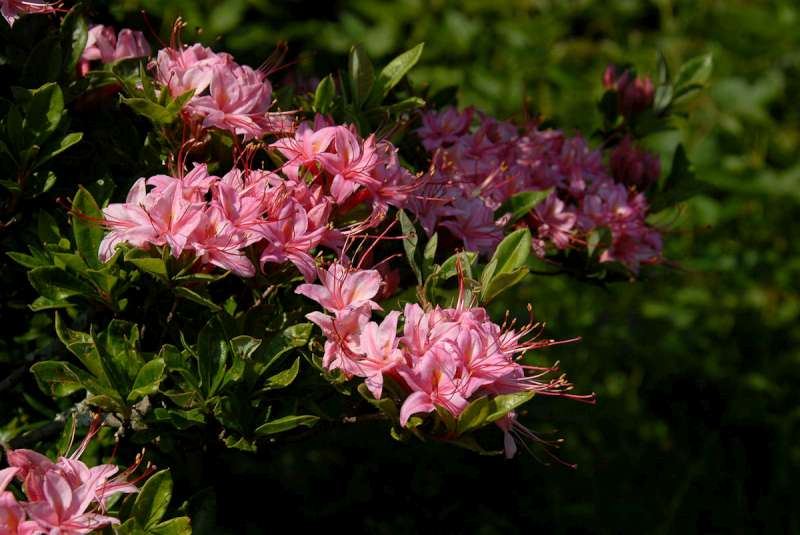
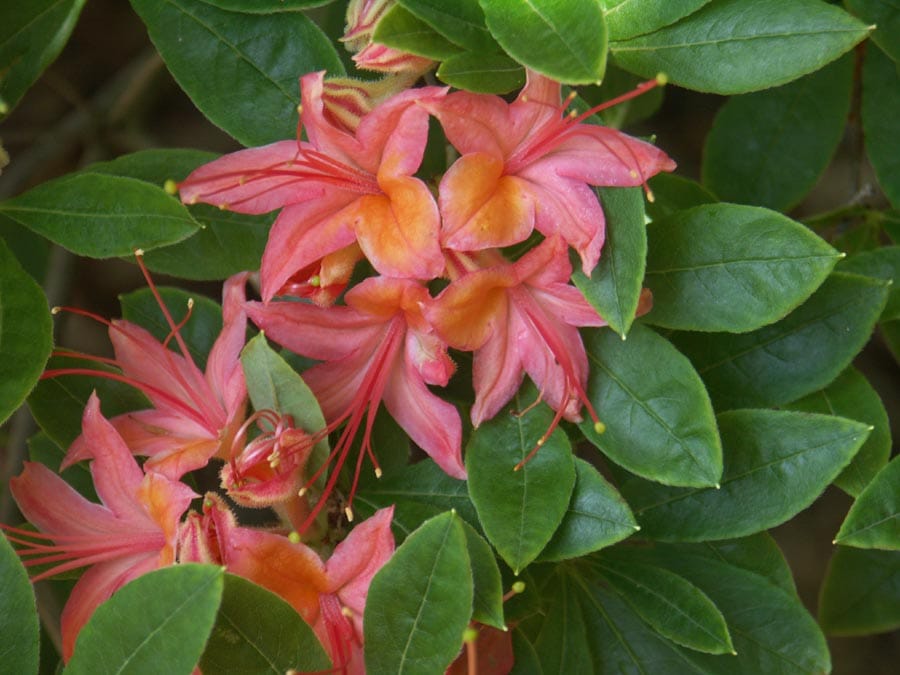
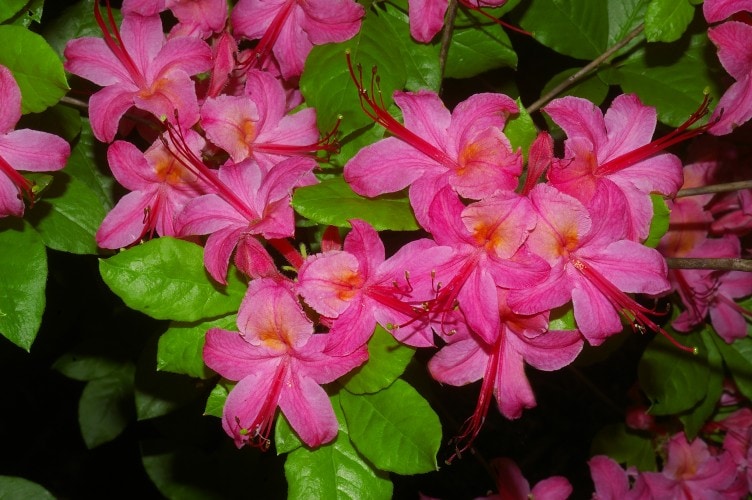
R. x bakeri (Lemmon) Skinner probably represents a hybrid between R. flammeum and R. canescens, although it has often been synonymized with R. cumberlandense (see K. A. Kron 1993). Found in Stone Mountain og er pink med gul blotch.
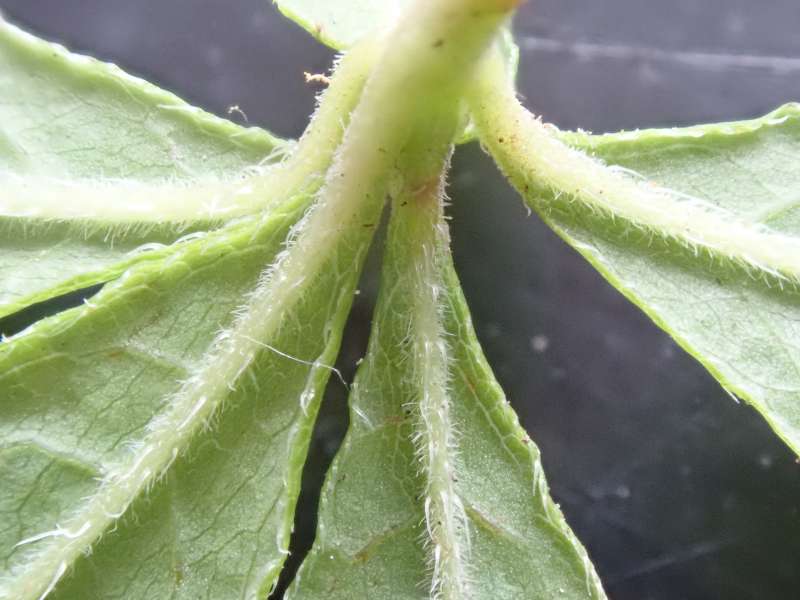
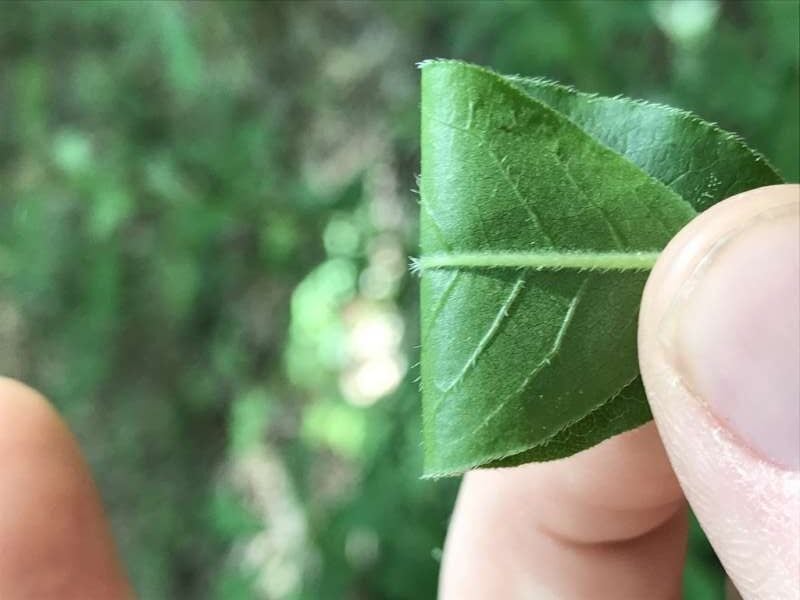
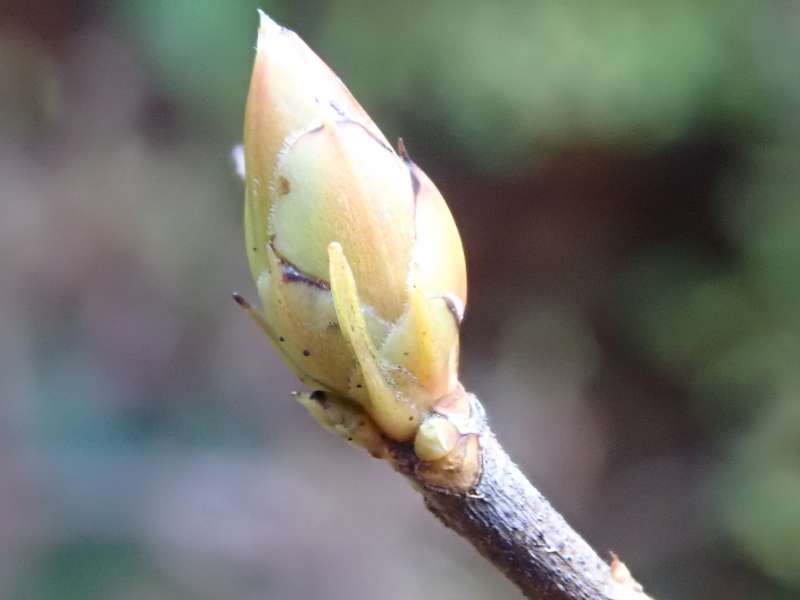
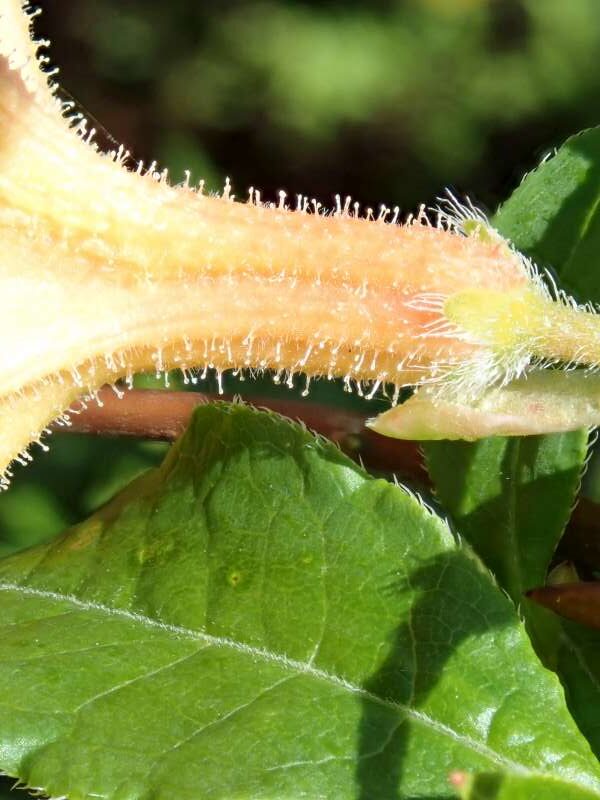
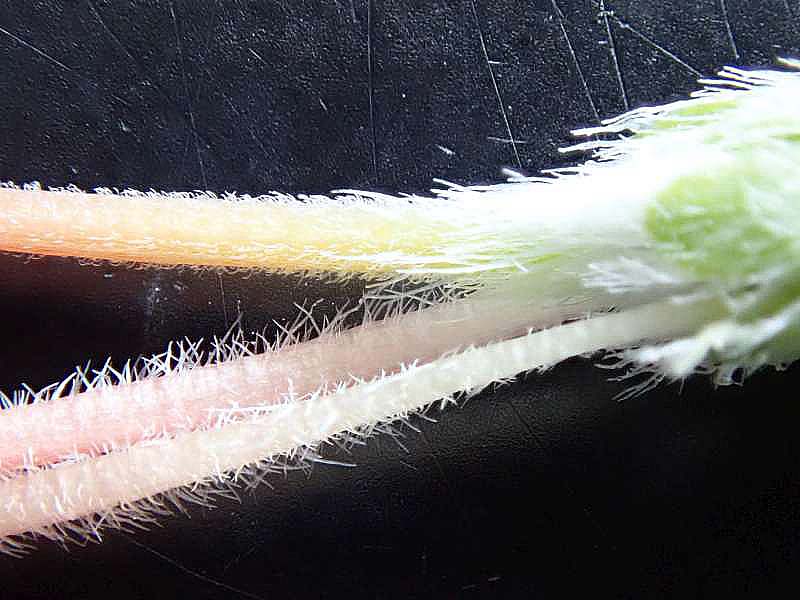
Kendetegn for R. x bakeri er at bladundersiderne er tæt hårede og blomsterknopskællenes rand ikke er kirtelhåret men hårede. Kronrørets yderside har både kirtelhår og alm. hår, K. Kron
Men det kan R. cumberlandense også have Flora North. Amer
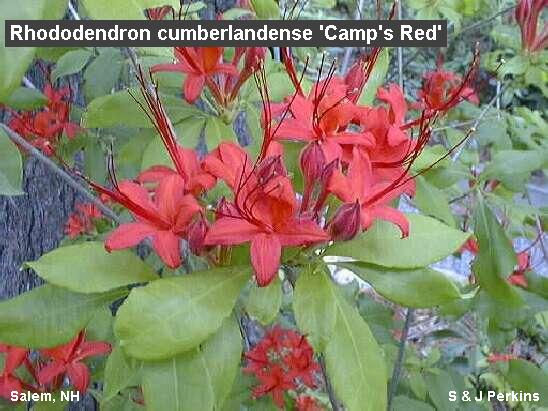
R. cumberlandense tidligere R. bakeri (Pentanthera) ( -20 °C). Davidian. Danner en kompakt lav og tætforgrenet, løvfældende busk, som ofte breder sig med rodudløbere. Arten er nært beslægtet med R. calendulaceum (Davidian) og kommer fra det østlige Nordamerika. På sit hjemsted i bjergene er den normale blomsterfarve blodrød eller dyb skarlagenrød, medens den i kultur oftest er orangerød . Blomsten er uden duft og kommer i juni-juli. Smuk høstfarve. Dyrkes bedst på åben vokseplads.
Tue Jørgensen
Rhododendron cumberlandense, formerly/error? R. bakeri, is found in the wild in the Appalachian Mountains, in Virginia, North Carolina, South Carolina, Georgia, Alabama, Tennessee and Kentucky, usually in open woods from 2000′ to 5000′ in USDA zones 5b to 8b. It was named in 1941, is not fragrant, and blooms yellow to orange to red after the leaves expand, in June and July. The plant habit is low, from 2′ to 8′. ASA
R. bakeri adskiller sig fra R. cumberlandense på knopskældene, idet sidstnævnte ikke har børstehår på vækstknopperne men kirtelhår, vokser kraftigere og blomstrer senere i juni. Bladundersiderne med hår som R. calendulaceum. Vokser til en mellemhøj plante med en flad top (kan være gul i kronen). R. bakeri blev navngivet til en hybrid (efter sigende mellem R. canescens og R. flammeum) så navnet R. bakeri er siden blevet illegitimt. Men er det en hybrid eller blot en gammel art/genommutation 2N<->4N der har vokset isoleret fra R. cumberlandense/R. calendulaceum. R. bakeri “hybriden” ligner ikke krydsningen R. canescens x R. flammeum, men mere en R. cumberlandense/R. calendulaceum med de 3-4 forskelle.R. bakeri er fundet på Gregory Bald ARS92/18 og her gror ingen R. flammerum, men der er hybridsværme af R. cumberlandense/R. calendulaceum/R. bakeri/R. canescens/R. arborescens.
Hans Eiberg
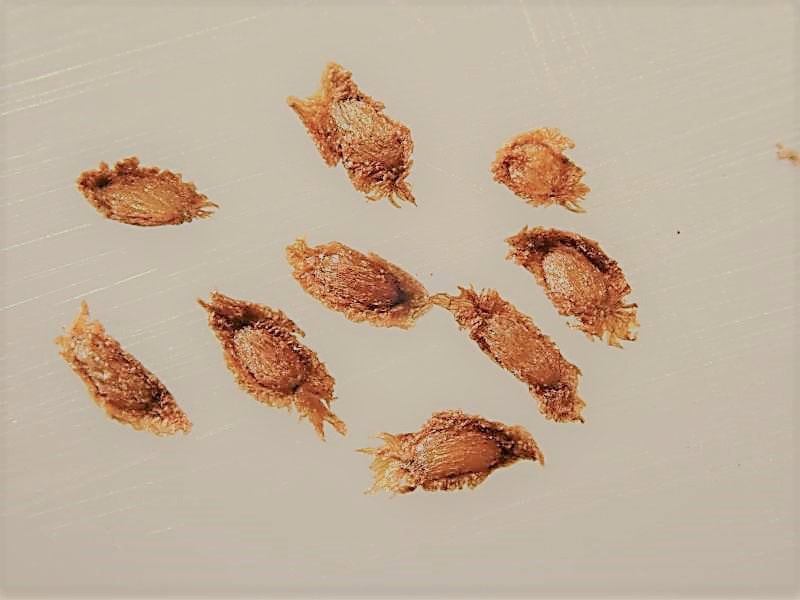
● R. bakeri (yellow) frø. Foto: Hans Eiberg
Til R. calendulaceum
Til R. cumberlandense
ARS
Flora of North America
ASA
GBIF herbarie ark af rødorange blomster
RBGE herbarium intet
RSBG. Rh. cumberlandense (syn: bakeri)
Kew: Ingen foto’s
R x furbishii
I (Mike Creel) found something from Gustav Melquist regarding R. furbishii. He actually recreated what seems to be furbishii through crossing R. bakeri with aborescens.
Among the azaleas that I’ve been interested in largely are two groups. First of all, I was interested in David Leach’s statement to the effect that Furbishi [Rhododendron x furbishii] is probably a hybrid between [R.] bakeri [now R. cumberlandense] and probably R. arborescens. I checked Lee’s book on azaleas [The Azalea Book. Frederic P. Lee. 2nd ed. Princeton, NJ: Van Nostrand, 1965.] and he suggests that probably the parentage is either bakeri with arborescens or bakeri with a late blooming R. calendulaceum. It is more likely that “furbushii” is bakeri x arborescens, calendulaceum doesn’t easily cross with anything.There is some nudiflorum (periclymenoides) up at those altitudes, and that is similar to canescens. Charles Hunter.
The Breeders Talk:Dr. Gustav A. L. Mehlquist, 1975
R. x fubishii on ‘www.rosebay.org’
Naturhybrider på Gregory Bald
R. bakeri (Lemon, 1938) is a hybrid or not? perhaps not
Pages 309-311 in the Kron article contain the write up on Rhododendron cumberlandense E. L Braun, Rhodora 43: 33 (1941). Syn: Azalea cumberlandense (E.L. Braun) Copeland, Am. Midl. Nat. 30: 533-625 (1943). Type: Kentucky, McCreary Co.: Yahoo Ridge, 15 vi 1935, E.L. Braun 971 (holo. Herb. Braun, n.v.; iso A).
On page 310: “The name R. bakeri (Lemon, 1938) has been used for this diploid flame azalea since Skinner (1955) considered R. bakeri to be the same taxon as R. cumberlandense. Since R. bakeri, was an earlier name, it was properly used over R. cumberlandense. However, the type specimen of Azalea bakeri (=R. bakeri) is not at all similar to the type or R. cumberlandense.
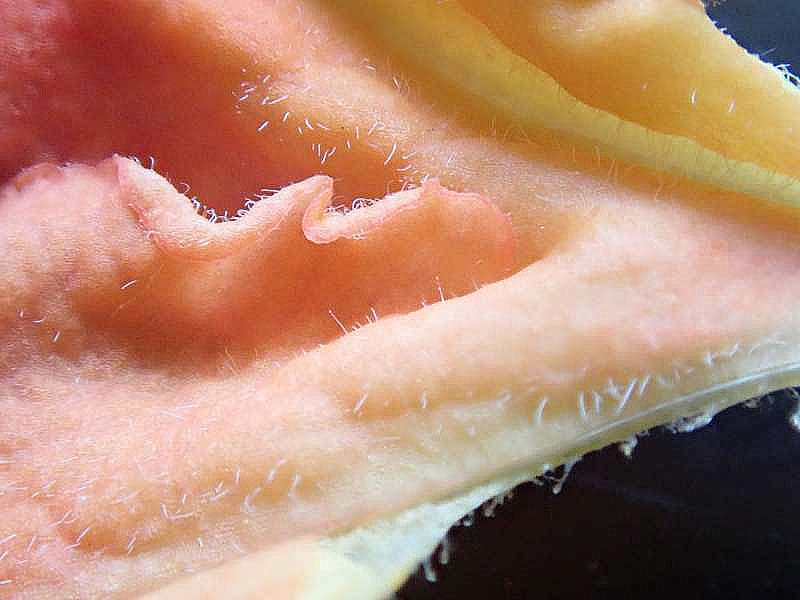
The specimen which is labeled Azalea bakeri by Lemmon, has young expanding leaves, which are densely pubescent on the abaxial surface. In addition, the margins of the floral bud scales are all unicelular-ciliate, and the corolla possesses both glandular and eglandular multicellular hairs.
None of the above characters is found in R. cumberlandense, which flowers well after the leaves have expanded and usually has glabrous leaves (never densely pubescent). In addition, the floral bud-scale margins and the outer surface of the corolla are consistently glandular in R. cumberlandense.
Therefore Lemmon’s specimen is probably a hybrid between R. flammeum and R. canescens (see hybrid names, p. 362). Thus, the correct name for the diploid form of flame azalea is Rhododendron cumberlandense.
No expert here, but I have seen a fair number of natural hybrids between R. flammeum and canescens growing in the wild here in north Georgia and they do not look like what I know as bakeri. The natural hybrids I have seen are a raspberry dark pink color, sometimes with a blotch (very attractive) but not orange.
Charles Hunter, Georgia
Azelea bakeri
In 1938 Lemmon and McKay applied the name Azalea bakeri to a small population of azaleas found in Union County, Georgia, and described its province as the Blue Ridge Mountains of Georgia and North Carolina at elevations above 3,000 ft. Hume (1948) subsequently transferred the epithet bakeri to the genus Rhododendron. I don’t believe a hybrid of R. flammeum x R. canescens would survive in zone 5-6a. I would like to learn if there are folks who are growing authentic bakeri (is it correct to drop the R. now?) who might expand on the key morphological difference between Lemon’s herbarium specimen (bakeri) and the true species R. cumberlandense. Has any Yahoo Rhodo member from the north attempted to grow bakeri?
Bruce Clyburn
In Union County that is the mountains of North Georgia near TN. and S.C. and probable 2500′, in the winters past it has be down to – 20 below zero in that area and flammeum are canescens will not take that temp. The plant that is label “Dr Jenkins Dwarf Calendulaceum from Crow Mountain” is my label so I will know were this plant came from. “Dr Jenkins collected from Crow Mountain” After the plant bloom for threes year It was noted it was not a calendulaceum.
The color is more pink than the photo and it blooms later than the up – land calendulaceum by at least three weeks, The plant is 3′ after eight years and grows like a bakeri also I still like the name bakeri over cumberlandence. In this area they are at least five or six species that grow side by side in the same colonys will have bloom two or three times a year on two weeks intervals. This is all mother natural doings just enjoy the flowers.
Earl Sommerville
R. cumberlandense is the accepted name for the species that was formerly know as R. bakeri.
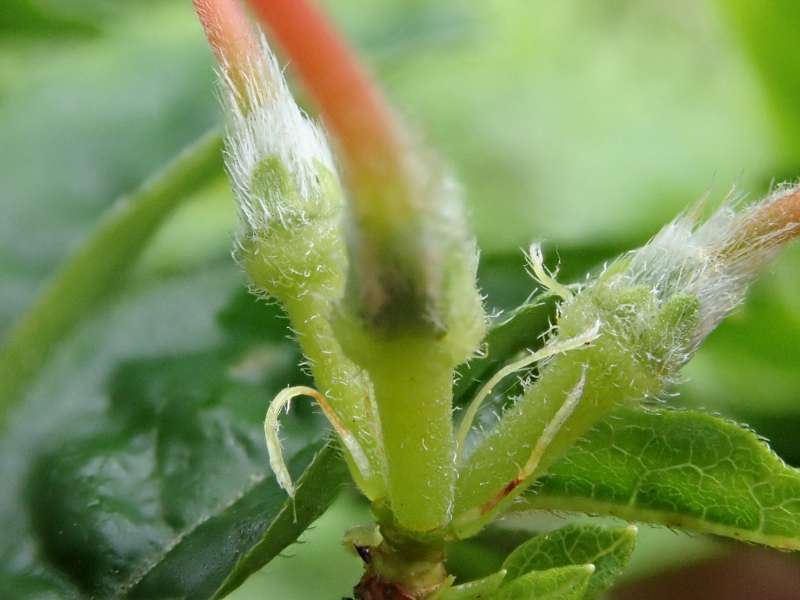
R. cumberlandense is the accepted name for the species that was formerly know as R. bakeri diploid, but very similar in many respects to the tetraploid species R. calendulaceum. Since most if us are not able to discern ploidy levels while hiking on the trail, we usually use a hand lens to look at the sepals and pedicels of the blossoms. R. calendulaceum will have glandular sepals and pedicels whereas cumberlandense will be eglandular.
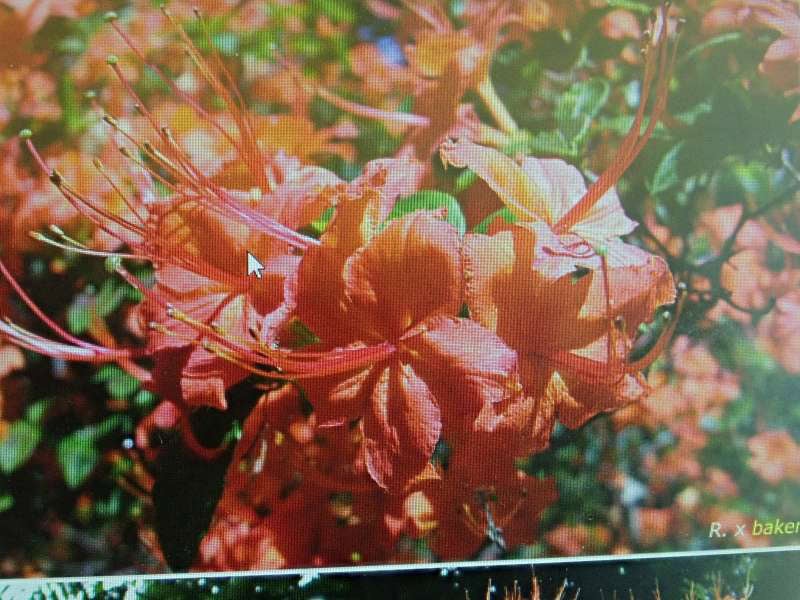
Although cumberlandense does tend to bloom later than calendulaceum, there are late blooming forms of calendulaceum that will be in flower at the same time as cumberlandense at the same elevation. As for flower color, cumberlandense tends more toward the orange-red shades in the wild, but we do see orange and gold forms and some approaching yellow. I will say that I haven’t seen any pure yellows cumberlandense plants in the wild as nice as image from Robert Day shown on your site but that doesn’t mean they don’t exist.
The problem we have with many native azalea populations is that other species are often growing nearby so there is a tendency for the azaleas to hybridize. The hybrid swarm on Gregory Bald is world famous, and there are four species suspected growing in that area. R. cumberlandense does predominate so most of the plants will have orange-red to red flowers, but there is also arborescens, viscosum, and calendulaceum very nearby and they produce flowers in wide range of colors.
Flowers on R. calendulaceum
R. calendulaceum does come in clear yellow, orange, and red, too. It is hard to quantify, but from an artist’s eye, the colors found in R. cumberlandense do seem more vibrant to me, a clarity and brilliance that generally surpasses calendulaceum. Both are stunning native azaleas, though. R. calendulaceum tends to have larger blossoms, too, but both species put on a great show. An isolated population of cumberlandense occours in the wild in the mountains of Eastern Tennessee near the Cherohala Skyway not far from Tellico Plains.
There are a number of azaleas on Gregory with lovely clear yellow flowers, as fine as Robert Day’s pictures, but I wouldn’t be so bold to say that any plant from Gregory is a pure species of one form or another. With all the crossing and back crossing that has happened over the past centuries up there, I would suggest that most of the plants are likely complex natural hybrids by now. The research by Dr. Tom Ranney and his graduates students indicates that the majority of the Gregory Bald azaleas are probably hybrids between R. cumberlandense and arborescens. Many of the azaleas on Gregory Bald are delightfully fragrant and since neither calendulaceum nor cumberlandense are fragrant, the “sniff test” is another tool for identifying hybrids.
Don Hyatt